 Bullenwächter, CC BY-SA 3.0 , via Wikimedia Commons
The history of medicine is full of strange and sometimes disturbing chapters, but few are as unsettling as the centuries when human body parts were seen as legitimate medical ingredients. Far from being limited to secretive alchemists or fringe practitioners, many of these remedies were backed by respected physicians, kings, and even religious institutions. In Renaissance Europe, for example, the use of body parts was not only common, it was endorsed by leading scholars of the day. For a long stretch of history, using human fat, bones, blood, and even mummified flesh was considered entirely respectable, and in some circles, prestigious.
Mummia: powdered mummy as medicine
For hundreds of years, powdered Egyptian mummies, known as “mummia,” were ground up and sold across Europe as a catch-all cure. It was believed to treat everything from bruises and internal bleeding to epilepsy and plague. Apothecaries stocked it as a standard remedy, and physicians prescribed it without hesitation. Mummia was so ubiquitous in early modern medical practice that it featured in countless medical texts and recipes.
Originally, the term referred to bitumen (a resinous substance found in tombs), but demand grew so high that actual mummified remains were raided from tombs, ground into powder, and shipped across the continent. This practice spanned the 12th to 17th centuries, and demand was so intense that European bodies were sometimes artificially dried and sold as substitutes. The trade was not without criticism since some physicians questioned the authenticity or ethics, but it remained popular until more scientific pharmacology took hold.
Human fat as a healing salve
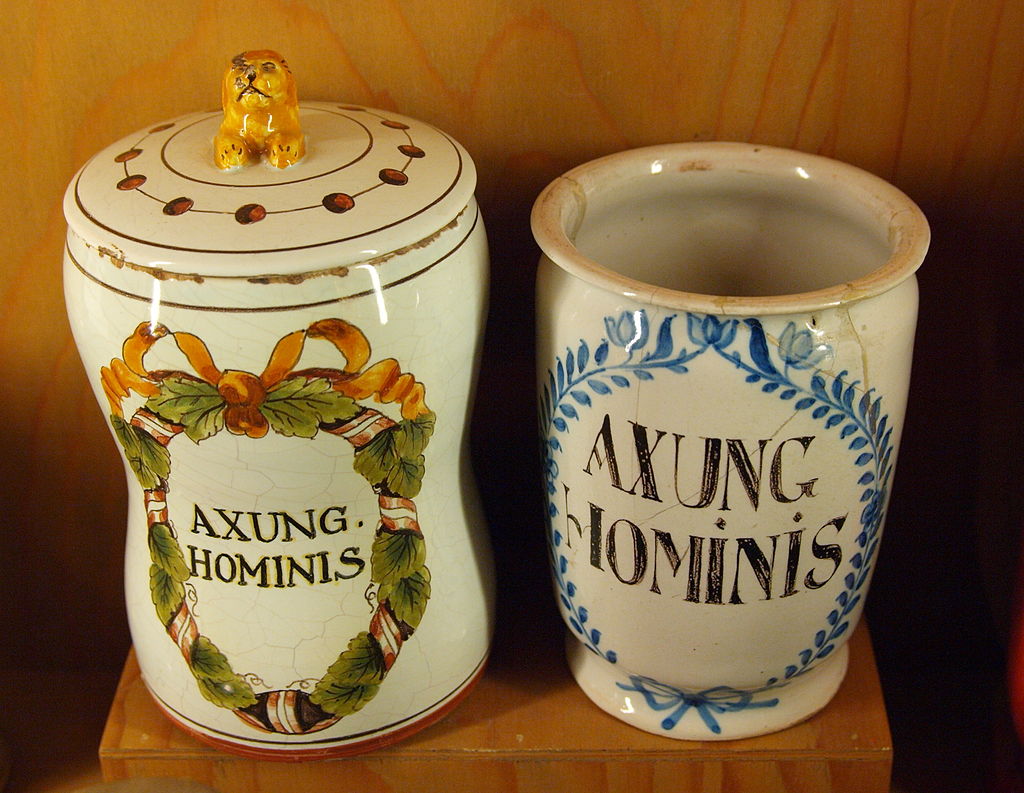
Human fat harvested from executed criminals or battlefield corpses was widely used in ointments and poultices. Known as “man’s grease,” it was applied to wounds, broken bones, and joint pain. Some believed it had spiritual properties, especially when taken from the bodies of hanged men. There were also beliefs that the violent nature of death somehow made the fat more potent.
Executioners across Europe sold it as a side business, and surgeons considered it a useful part of their toolkit. It was mixed with herbs like marjoram or rosemary and often included in salves to treat skin disorders and inflammation. In parts of Germany and the Netherlands, there are records of detailed recipes for balms that included human fat, often paired with beeswax or plant oils.
The blood cure
One of the most unsettling beliefs was that fresh human blood, particularly from the young and healthy, could revitalise the sick or elderly. Public executions became a site for gathering this macabre remedy. Spectators were known to rush to the scaffold to collect warm blood in cups, hoping it would cure epilepsy, fainting spells, or other neurological disorders.
This wasn’t just folklore. Some respected physicians of the early modern period supported the idea, drawing on ancient ideas about vitality and the soul. The practice was especially popular in 17th-century Germany and parts of Eastern Europe, where execution sites were unofficially used as pharmacies. The belief tied into wider theories about blood as a carrier of strength and essence—a view that would persist until the rise of modern haematology and germ theory.
Skull powder for epilepsy
Ground-up human skull, sometimes called “cranium humanum,” was commonly prescribed for epilepsy, particularly if the skull came from someone who had died violently. The belief was that sudden death left behind a kind of spiritual residue that could calm convulsions or fitful symptoms. Some even believed that the younger the person, the more potent the powder.
Skull powder was often taken with wine, and even well-known medical figures like Paracelsus recommended it. In many parts of Europe, it was sourced directly from graveyards, ossuaries, or execution sites. Recipes from 17th-century apothecaries describe combining powdered skull with herbs such as valerian or peony. Some pharmacies continued selling it into the 18th century, especially in parts of rural France and Italy.
The magical weapon salve
This one sounds like pure superstition, but it was taken seriously by many intellectuals of the day. The “weapon salve” was a remedy applied not to the wound, but to the weapon that caused it. It often included human fat, blood, and powdered bone, sometimes sourced from criminals or unburied corpses.
The idea was rooted in sympathetic magic: by treating the object that inflicted harm, the wound itself would heal. The concept was debated in major universities, and even King James I of England reportedly took an interest in the theory. While modern science would call it placebo or magical thinking, at the time it was seen as cutting-edge. Some thinkers suggested the effect could be related to unseen forces or hidden correspondences in nature.
Teeth, hair, and nails in folk remedies
While elite medicine focused on organs and bones, traditional folk healers used hair, nails, and teeth in all sorts of charms and cures. A child’s lost tooth might be powdered and fed to a sick sibling, or fingernail clippings burned and inhaled as part of a fever remedy. Teeth from the deceased, especially infants or young children, were believed to carry protective power.
In many rural communities, these practices blurred the line between medicine and magic. Items from the body were believed to carry a person’s essence, and using them in the right way could either protect or heal. These remedies were rarely written down but passed orally through generations. Some Victorian-era anthropologists collected these beliefs, preserving a glimpse into centuries of tradition that existed outside formal medical institutions.
The use of placenta and afterbirth
Though less well-documented, some early modern remedies involved the use of placenta or afterbirth, particularly in women’s medicine. It was believed to encourage fertility, support recovery after childbirth, and strengthen the immune system. Recipes for restorative broths or dried powders using placental tissue appear in midwifery manuals and folklore collections.
These materials were often dried and powdered or made into teas and tonics. In some cultures, it was also used to treat men suffering from fatigue or impotence. While the use of placenta remains controversial today, it reflects a long-standing belief in the body’s capacity to heal itself by using parts of itself.
Moss from skulls and mummy candles
Among the stranger additions to the medical cupboard were items like “moss from a human skull,” often scraped from the bones in ossuaries and used in powder or tea. It was thought to carry the essence of death and, paradoxically, be useful in treating seizures, nosebleeds, and internal bleeding.
Another oddity: candles made from human fat, often called “mummy candles,” were used in rituals that aimed to ward off illness or uncover hidden truths. Though more magical than medicinal, these practices reflect how closely healing, superstition, and the human body were linked in the early centuries of modern science.
It’s easy to recoil at the idea of using body parts in medicine, but for centuries, these remedies were seen as part of legitimate science. Many were grounded in the belief that the human body contained unique healing powers that could be transferred to others. Whether motivated by desperation, spiritual belief, or early medical theory, these treatments formed the foundation of how people once understood health. They remind us just how far medicine has come, and how thin the line once was between healing and horror.