 Wellcome Collection
Long before mints and mouthwash, people still worried about their breath, especially when social success, courtship, or business hinged on personal charm. But without modern science, historical remedies often did more harm than good. Some were rooted in superstition, others in misunderstood medicine, and a few were downright dangerous. Here are some of the worst offenders that people genuinely thought would help freshen their breath—but likely made it worse.
Chewing on burnt rosemary or thyme
In the Middle Ages and Renaissance, aromatic herbs were a go-to fix for foul breath. Rosemary and thyme were sometimes dried and burned, then chewed or sucked like lozenges. The idea was that the strong scent would overpower whatever was lurking in your mouth.
In reality, burnt plant matter can be abrasive to enamel and gums. If the herbs weren’t properly cleaned, you might even be introducing more bacteria than you were getting rid of. Not to mention, burnt herb breath isn’t exactly pleasant either.
Rinsing with vinegar and ashes
A popular rinse during the early modern period involved vinegar mixed with powdered charcoal or ashes. The combination was meant to “cleanse” the mouth, as vinegar was thought to cut through decay and ash to absorb odours.
Instead, this mix could strip away enamel, irritate the gums, and leave a sour, smoky aftertaste. Worse still, if the ashes came from treated wood or contaminated fires, you could be swishing around some seriously toxic residue. Charcoal, while still used in some modern dental products, comes with risks when misused.
Using lead-based powders
In ancient Rome, powders containing white lead were sometimes used for all sorts of cosmetic and cleansing purposes—including inside the mouth. Lead was thought to have purifying properties, which shows just how far off the mark people were.
Exposure to lead, even in small amounts, is poisonous. Using it near soft tissues like the gums made it easier to absorb—and repeated use could lead to lead poisoning, neurological issues, and even death. So yes, technically it got rid of bad breath. By getting rid of you.
Drinking concoctions with urine
Medieval medical texts occasionally recommended urine, often cow or one’s own, as a medicinal mouth rinse. It was believed to have antiseptic qualities and was used in everything from wound care to tooth whitening.
The ammonia in urine can kill bacteria, but let’s be honest: rinsing with pee is far from freshening. The risk of infection, plus the obvious social consequences of smelling faintly of livestock, made this a very questionable cure. And despite persistent myths, urine is not sterile—so this was far from hygienic.
Sucking on cloves constantly
Cloves have antibacterial properties, and they were a popular breath freshener in medieval Europe and Asia. The trouble was, people would suck on them constantly, even sleeping with them in their mouths.
Prolonged exposure to strong spices like cloves can irritate the lining of the mouth and stomach. And chewing on them nonstop could wear down teeth. What started as a natural remedy often turned into an oral fixation that left people worse off.
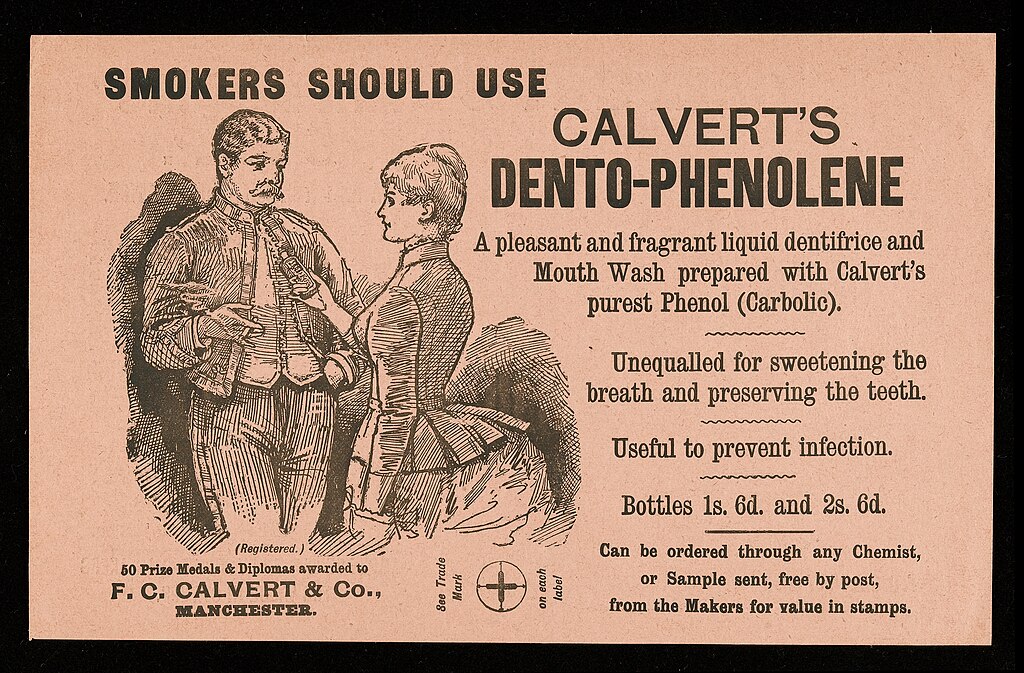
Smoking herbs or tobacco
Smoking mixtures of herbs, and later tobacco, was thought to cleanse the mouth and lungs. It gave people something to exhale besides garlic breath—and many believed the smoke had purifying properties.
But smoke dries out the mouth, encourages gum disease, and leaves an unmistakable odour behind. The rise of tobacco in particular just replaced one stench with another—and introduced a host of long-term health problems. Today, we know smoking contributes heavily to halitosis, not the other way round.
Applying honey and salt directly to the tongue
Some ancient Greek and Roman texts advised mixing honey and salt into a paste and rubbing it on the tongue to “draw out foul humours.” The logic was that sweetness would attract odours and salt would absorb them. In practice, salt can irritate and dry out the tongue, while sticky honey creates a perfect environment for bacteria. The combo might briefly distract from bad breath, but it likely made the root cause even worse.
Using mercury-based tonics
Mercury showed up in a lot of historical “cures,” especially during the Renaissance. It was used to treat everything from syphilis to dental issues. Some tonics and elixirs included it as a supposed cleanser for the breath and mouth. We now know mercury is highly toxic. Even small doses can damage the nervous system, kidneys, and brain. Inhaling or ingesting mercury as a breath cure turned out to be one of the most dangerous missteps in early medicine.
Chewing animal-derived concoctions
Some older remedies involved chewing on dried animal parts—like deer sinew or even bits of dried liver—based on the idea that internal organs had cleansing properties. In some traditional practices, goat or sheep fat was also added to mixtures used to coat the tongue.
Needless to say, the decay of these materials, especially without refrigeration, only added to the foulness. The bacterial content alone would have been enough to worsen the problem, while the smell of rotting animal tissue certainly didn’t help.
Bad breath is nothing new, but the historical attempts to treat it were often more harmful than helpful.
From smoking dried herbs to swishing vinegar and ash, many of these so-called remedies did little to improve hygiene—and plenty to damage health. It’s a reminder of how far medical understanding has come, and how lucky we are that today’s mouthwash doesn’t come with a side of lead, livestock odour, or risk of mercury poisoning.