 Getty Images
Victorian Britain was a world of innovation and industry, but also filth, disease, and danger lurking at every corner. While the era brought massive changes to transport, communication, and manufacturing, it also created new risks and exposed just how fragile life could be without proper infrastructure. With limited medical knowledge, poor sanitation, and a lack of regulation across nearly every sector, the average person faced a constant threat to their health and safety. Some causes of death were so tragically preventable by today’s standards that it’s a wonder anyone made it out alive.
Here are some of the most common and horrifying ways people met their end in the Victorian era.
Infectious diseases like cholera and typhoid
Before the widespread installation of sewer systems and clean water networks, many people in Victorian cities drank from contaminated pumps and lived beside overflowing cesspits. Cholera outbreaks could kill thousands within weeks, and typhoid, spread through faecal-contaminated food and water, thrived in densely packed slums.
One of the most notable outbreaks occurred in London in 1854, when Dr John Snow famously removed the handle from a Broad Street pump and helped prove the link between water and disease. His actions laid the foundation for modern epidemiology, but the diseases continued to claim lives until infrastructure began to catch up with urban expansion.
Tuberculosis (consumption)
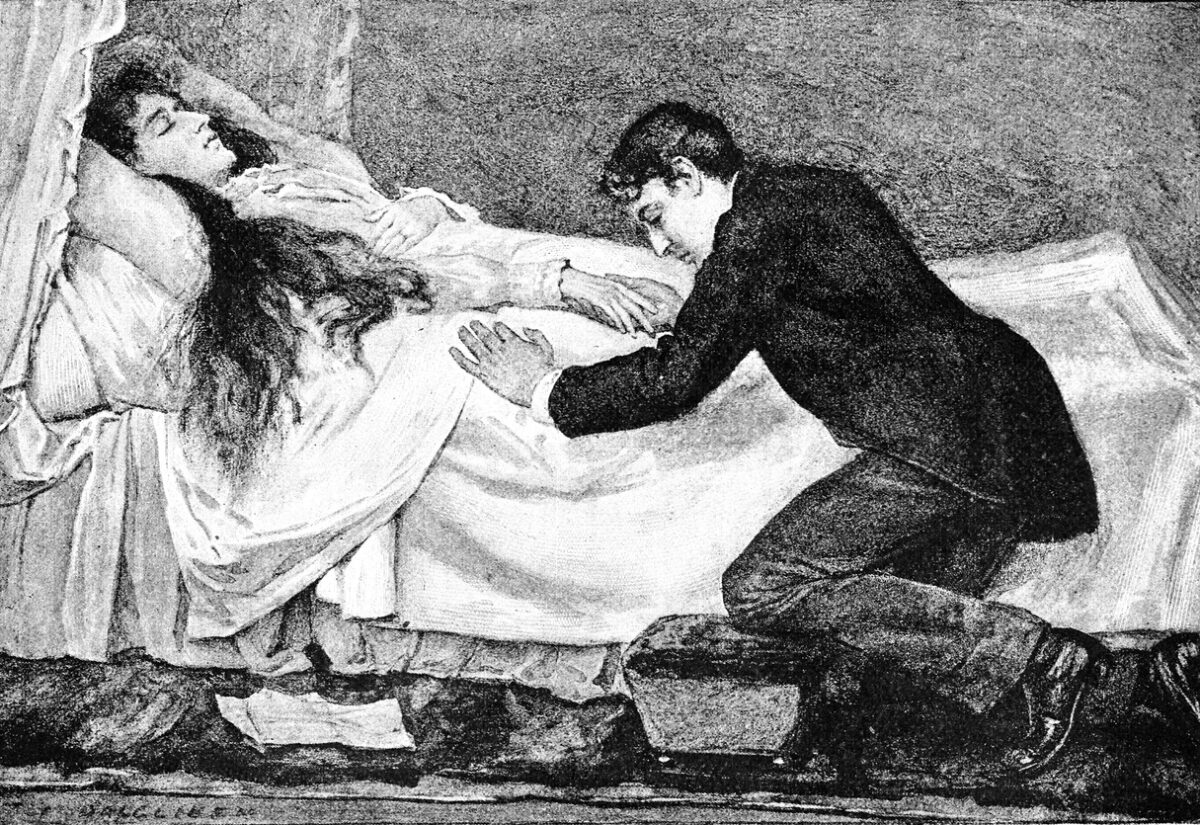
Tuberculosis was known as “consumption” due to the way it slowly wasted away the body. It affected all classes, though cramped and unsanitary living conditions increased the spread among the poor. The disease was airborne and spread through coughing, so those living in close quarters, including workhouses and poorhouses, were particularly at risk.
TB was often romanticised in art and literature. Think of the pale, tragic heroines in Victorian novels—many were inspired by real victims. But behind the cultural image was a slow, painful illness with no effective treatment until antibiotics arrived in the 20th century.
Industrial accidents
The Industrial Revolution turned Britain into a global manufacturing powerhouse, but it came at a deadly cost. Workers faced daily hazards in factories, foundries, and mines. Machinery had no guards, emergency stops were nonexistent, and health and safety regulations were almost unheard of.
Coal mining was especially lethal. Gas explosions, roof collapses, and lung diseases like black lung were common. Factory workers risked losing limbs to unshielded gears and belts, while children employed to crawl under machines were frequently crushed. Thousands died or were maimed while simply trying to earn a living.
Childbirth and complications
Giving birth in the Victorian era carried terrifying risks. Hospitals lacked hygiene, and many midwives and doctors didn’t wash their hands between patients. As a result, infections such as puerperal fever (childbed fever) spread rapidly in maternity wards.
Middle- and upper-class women who gave birth in hospitals were particularly at risk due to the spread of germs in medical settings. Poorer women, who often gave birth at home, were not necessarily safer, especially without trained help. Maternal mortality rates were staggeringly high, and countless women died from infections or haemorrhage during or after labour.
Fires from gas lighting and open flames
Homes in Victorian Britain were typically heated and lit by open flames, whether gas lamps, oil lanterns, or candles. With no electricity and flammable materials everywhere, house fires were frighteningly common. Children’s nightclothes, gauzy curtains, and even the highly flammable Christmas decorations of the era could catch fire in seconds.
One notorious hazard was the fashionable crinoline skirt—a voluminous structure supported by hoops, often worn near open grates or candles. These skirts could ignite quickly, and once alight, were nearly impossible to extinguish before causing fatal burns.
Poisoning from everyday products
Victorians were unknowingly surrounded by poisons in their daily lives. Arsenic was used in everything from wallpapers and paints to rat poison and facial creams. The vibrant green dyes of the period, known as “Scheele’s Green” and “Paris Green,” were made with arsenic compounds and adorned everything from dresses to dining room walls.
Lead was another silent killer. It appeared in cosmetics, toys, paint, and even food tins. Mercury, too, featured in tonics, teething powders, and treatments for syphilis. These substances slowly accumulated in the body, causing chronic illness and death, though their dangers weren’t fully understood until much later.
Food adulteration
Before the introduction of food regulations, many vendors padded out their products with cheap, and often dangerous, substances. Bread might contain chalk or alum to make it appear whiter. Milk could be watered down and laced with borax to disguise spoilage. Sweets were coloured with red lead or copper sulphate, which made them appealing but deadly.
Dr Arthur Hill Hassall’s investigations in the 1850s brought attention to the widespread practice of food adulteration. His work led to the first major food safety legislation in the UK, but not before countless people suffered or died from tainted food and drink.
Train accidents and early transport disasters
Railways were one of the greatest engineering achievements of the age, but the early years were riddled with danger. Derailments, boiler explosions, and collisions were not unusual, and safety systems were rudimentary at best. Early carriages lacked proper brakes and lighting, and there were few protections for passengers.
Staff working on railways were also vulnerable. Coupling carriages, maintaining tracks, and operating early steam engines carried enormous risk. As rail travel expanded, so too did the number of accidents, which were often reported in gruesome detail in the newspapers.
Poor housing and slum conditions
The rapid growth of cities during the Victorian period led to vast overcrowded slums. Homes were built quickly and cheaply, often without sanitation, ventilation, or access to clean water. Families of ten or more might share a single damp room, and sewage often ran openly through the streets.
Diseases like diphtheria, smallpox, and typhus flourished in these conditions. Children were especially at risk, with shockingly high mortality rates. In the worst-hit areas of London, more than half of all children died before the age of five.
Alcoholism and opium use
While modern drug laws didn’t exist, substances like gin and laudanum (a tincture of opium) were cheap, legal, and widely used, often as a form of self-medication. Laudanum was sold over the counter and taken for everything from headaches to sleeplessness.
The combination of poverty, long working hours, and physical pain made addictive substances a tempting escape. But overdoses were common, particularly among women and children. Without an understanding of addiction or regulation of strength and dosage, many people fell into lifelong dependence, or died from it.
Life in Victorian Britain was far from romantic.
Behind the iconic fashion and architecture was a harsh reality: death was ever-present. Whether from disease, fire, poor working conditions, or the toxic products of progress, the risks were woven into everyday life.
The era eventually gave rise to reforms in public health, housing, food safety, and medicine, but it took decades of suffering, advocacy, and tragedy to make those changes happen. Looking back, it’s clear just how fragile survival could be in a time that prided itself on modernity, but didn’t yet know how to protect its people from it.