 Unsplash/Old Youth
Across the world, Indigenous communities have faced relentless attempts to erase their cultures. Colonisation, forced assimilation, residential schools, and missionary efforts were all part of the machinery designed to suppress language, spirituality, customs, and traditional knowledge. Despite these efforts, many cultural practices not only survived, but are now being reclaimed and celebrated by new generations. These traditions have endured because people protected them quietly, passed them on in secret, or adapted them to fit into new realities. Here are some of the Indigenous cultural practices that managed to survive, even when everything was stacked against them.
The haka in Aotearoa (New Zealand)
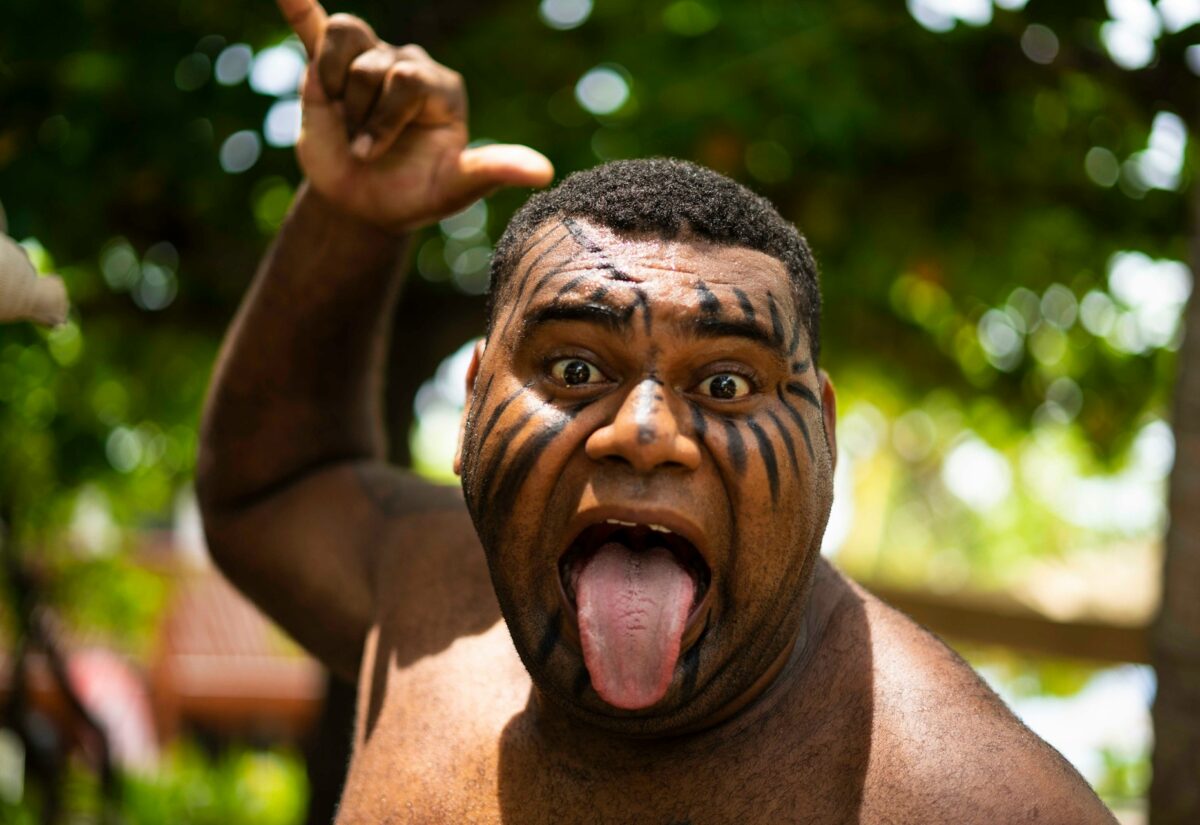
The haka, a ceremonial dance of the Māori people, was once discouraged by colonial authorities who saw it as threatening or inappropriate. Missionaries in the 19th century worked hard to suppress it, viewing it as pagan and aggressive. Despite these efforts, Māori communities preserved the haka through oral teaching, performance at important events, and eventually as a symbol of resistance.
Today, it’s widely recognised and respected, especially in the context of rugby, but its roots go much deeper. The haka carries spiritual meaning and is performed for a range of reasons—welcoming guests, mourning the dead, or preparing for battle. Its continued presence is a testament to Māori resilience and the importance of cultural continuity.
Sámi joik in Northern Europe
Joik is one of the oldest musical traditions in Europe, practised by the Sámi people of the Arctic regions of Norway, Sweden, Finland, and Russia. For centuries, it was frowned upon or banned by Christian missionaries who saw it as pagan. In Norway, joik was suppressed as part of state assimilation policies well into the 20th century.
But many Sámi families kept the tradition alive within their communities. Joik isn’t just singing. It’s a way of expressing deep connection to a person, place, or animal. The sound and rhythm of a joik are deeply personal and often used as a form of storytelling. In recent decades, there’s been a cultural revival, with joik appearing in contemporary music and even in Eurovision.
The potlatch in the Pacific Northwest
In Indigenous communities of the Pacific Northwest Coast, particularly among the Haida, Tlingit, Kwakwaka’wakw, and Coast Salish peoples, the potlatch was a central social, political, and economic ceremony. It involved gift-giving, speeches, dances, and the reaffirmation of family or clan status.
The Canadian government banned the potlatch in 1884 as part of its broader effort to assimilate First Nations people. Holding a potlatch could result in imprisonment or the confiscation of ceremonial items. But many communities held potlatches in secret, sometimes disguising them as other gatherings. When the ban was finally lifted in 1951, the potlatch was still very much alive. Its survival speaks to the quiet strength of those who refused to let go of their identity.
Aboriginal songlines in Australia
Songlines, or dreaming tracks, are intricate oral maps used by Aboriginal Australians to navigate vast landscapes. Through songs, stories, and dances, they encode geographical, spiritual, and ecological knowledge. European colonisers tried to discredit these oral traditions, dismissing them as myths or primitive folklore.
Yet songlines remained, passed down from generation to generation. Even when people were displaced from their lands, the stories continued. In recent years, there has been growing recognition of songlines as sophisticated knowledge systems. Some universities and researchers are now working with Aboriginal elders to document and understand these ancient networks.
Native American powwows
Powwows, or social gatherings that celebrate Native American culture through dance, music, food, and crafts, were once discouraged or banned by the US and Canadian governments. Missionaries and boarding schools sought to eliminate them, pushing Indigenous children to adopt European customs and Christianity instead.
Despite this, powwows continued in private and later re-emerged as major cultural events. Today, they are vibrant expressions of Indigenous pride, drawing people from across tribes and nations. They’re not just performances; they’re opportunities for community, storytelling, healing, and resistance.
Inuit qulliq traditions
The qulliq, a traditional oil lamp made of soapstone and fuelled by seal or whale oil, was more than a tool for light and heat. It held cultural and spiritual importance for Inuit people, particularly in ceremonies and storytelling. As Western technologies replaced traditional tools, the qulliq was nearly lost.
But in many communities, it has been revived as a symbol of resilience and identity. The qulliq is still lit during important events and public ceremonies in Inuit regions, often used to honour women or open gatherings. Its soft glow is a quiet but powerful reminder of cultural endurance in some of the harshest conditions on Earth.
The survival of these practices isn’t just tradition. It’s defiance, memory, and deep cultural strength. In many cases, they were preserved at great personal risk or passed on quietly when it was dangerous to do so. Today, they are living evidence that Indigenous cultures were never erased, only forced underground. Their resurgence is not just about looking back—it’s about moving forward with pride, knowledge, and continuity.