 Public domain
Hair removal has never been a particularly pleasant process, but some of the methods people have used throughout history make modern waxing look like a spa treatment. Across different eras and cultures, the desire to get rid of unwanted hair has led to all sorts of bizarre, painful, and often dangerous techniques. Whether it was for hygiene, beauty, social status, or religious reasons, people have gone to astonishing, and sometimes excruciating, lengths to keep their bodies hair-free.
Ancient Egyptian sugar scrubs
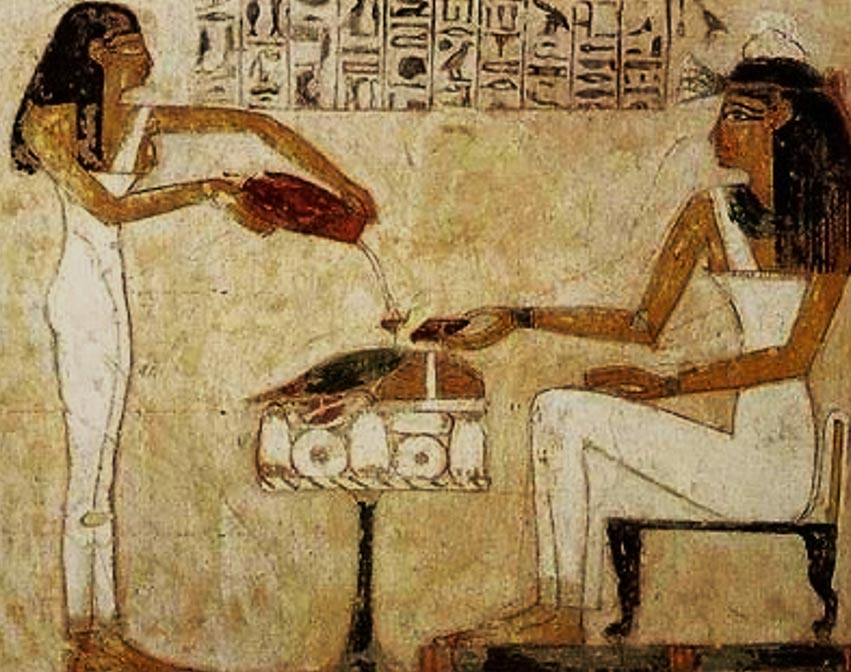
Egyptians were some of the earliest recorded hair removal enthusiasts. Wealthy men and women alike believed smooth, hairless skin was a mark of cleanliness and refinement. To achieve this, they used a method that’s surprisingly still around today: sugaring. But the early versions were a lot rougher than what you’d find in a modern salon.
Their sugar paste was usually a sticky mixture of honey, oil, and lemon juice, applied directly to the skin and yanked off with strips of cloth. No soothing post-treatment oils, no temperature control, just raw pulling power. The process was effective, but it definitely didn’t come without a wince.
Threading in ancient India and the Middle East
Threading dates back thousands of years and was commonly practised across India, Iran, and the broader Middle East. It involves using a twisted thread to pluck hairs at the follicle level with astonishing precision, but also a fair bit of pain.
While it’s still a popular method for shaping eyebrows and removing facial hair today, early versions didn’t benefit from modern cotton thread or good lighting. Practitioners relied on technique, experience, and a very steady hand. If done poorly, it could easily cause skin irritation, bruising, or uneven removal, not to mention the sting of each tightly coiled snap.
Roman pumice stones and razors
The Romans were deeply invested in grooming, and body hair was seen as something to be removed rather than celebrated. Elite men and women used pumice stones to buff away hair, along with a variety of razors made from bronze and other metals.
Dragging a chunk of metal over delicate skin without any of today’s safety features was as risky as it sounds. Cuts, infections, and razor burn were common, and pumice stones often left the skin raw and sore. Still, smoothness was a symbol of being civilised, and vanity clearly won out over comfort.
The painful poultices of the Islamic Golden Age
In the medieval Islamic world, there was a strong cultural and religious emphasis on cleanliness, which included hair removal. One method involved the use of a concoction called “nūra,” made from a mix of harsh chemicals like quicklime and orpiment (a toxic arsenic compound).
This paste was applied to the body and left to sit until the hair dissolved enough to be wiped away, along with layers of skin if left on too long. The ingredients could cause chemical burns and were extremely dangerous if inhaled or absorbed in large amounts. It was effective, but only just on the right side of outright bodily harm.
European depilatory disasters
During the Renaissance and early modern periods, hair removal remained popular among European elites, especially women who wanted to achieve a fashionably high forehead or bare shoulders. But the methods they used were often harsh and imprecise.
Recipes for depilatory creams included vinegar, quicklime, sulphur, and even cat faeces. The idea was to burn or chemically dissolve the hair, which often meant burning or irritating the skin at the same time. Unsurprisingly, many users were left with scarring, rashes, or painful inflammation, but that didn’t stop them from trying again.
Waxing in ancient Persia
Ancient Persian beauty rituals placed a high value on hairlessness, and waxing was one of the more established methods for achieving it. Like Egyptian sugaring, it involved a hot, sticky paste made from natural ingredients, but applied across larger areas of the body, and removed with cloth strips or the fingers.
While more effective than plucking or scraping, the pain was intense, especially without numbing creams or modern skincare. There was no mercy for sensitive areas, and no sterile environment to reduce the risk of infection. Still, the cultural expectation of smooth skin meant many put up with the agony.
Medieval European tweezing
In medieval Europe, eyebrow tweezing was taken to extremes. Women would often pluck their hairline back several inches to create a high forehead, which was considered fashionable at the time. They used primitive tweezers or even their own fingernails to pull out hair, strand by strand.
It was time-consuming, painful, and could leave the skin irritated or infected. There was no such thing as aftercare, and people doing this regularly often dealt with red, swollen skin. Even so, many were willing to endure it in order to fit the beauty ideals of the day.
Hair removal has never been an easy ride, but the lengths people have gone to in the past make today’s methods look positively luxurious. Whether they were scrubbing with pumice stones, slathering themselves in corrosive paste, or tweezing hairlines into oblivion, historical grooming rituals often involved more pain than polish. And while the quest for smooth skin is far from over, it’s fair to say we’ve come a long way from vinegar, quicklime, and arsenic.