 Getty Images/iStockphoto
Beauty has always come at a price—but in the ancient world, that price was often pain, danger, and downright agony. Long before dermatologists, health regulations, and mass-produced cosmetics, people turned to homemade remedies and experimental methods to meet the beauty standards of the day. Unfortunately, many of those methods were based more on superstition and social pressure than safety or science. From toxic metals to sharp instruments, ancient beauty regimes would make most of us wince today. Here are some historical treatments that were considered glamorous at the time—but would almost certainly be banned (or prosecuted) now.
Lead-based face paint that slowly poisoned the wearer
In ancient Rome and later during the Renaissance, women used white lead paste to create a pale, porcelain-like complexion—a look associated with wealth and nobility. Known as “ceruse,” this paste was made from white lead and vinegar. It smoothed over imperfections and gave a ghostly glow that was fashionable at court.
But there was a cost. Over time, lead absorbed through the skin led to hair loss, skin damage, stomach issues, tremors, and in some cases, death. Queen Elizabeth I is thought to have used ceruse regularly, possibly worsening the scars from her smallpox and contributing to the decline in her health. Needless to say, it was a very dangerous substance.
Mercury used to erase blemishes
Mercury was widely used throughout the ancient and medieval world as a beauty treatment. Chinese and Roman sources describe using mercury-based creams to treat acne, lighten the skin, or fade age spots. Alchemists believed mercury could rejuvenate and purify the body.
In reality, mercury absorbed through the skin damages the kidneys, nervous system, and brain. It can cause tremors, mood swings, and severe skin peeling. Prolonged exposure could result in madness or death—though in ancient times, the connection wasn’t fully understood. The use of mercury in skin-lightening products continued well into the 20th century in some parts of the world, though it’s now strictly regulated.
Arsenic pills for a “healthy” glow
In 19th-century Britain, women sometimes consumed arsenic pills to improve their complexion. The theory was that small doses would make the skin appear whiter, smoother, and more luminous. Arsenic-laced soaps and lotions were also sold as beauty aids.
But arsenic is one of the most toxic substances known to humans. Chronic exposure can cause vomiting, diarrhoea, confusion, convulsions, and organ failure. Victorian-era women risked their lives for what they believed was a fashionable flush. According to Wellcome Collection, arsenic remained a popular (if controversial) beauty ingredient for decades.
Depilation with crushed cat faeces and vinegar
Hair removal has a long and painful history. The ancient Egyptians and Greeks prized hairless bodies and went to extreme lengths to remove it. One popular depilatory mixture included resin, quicklime, and vinegar—but even more disturbing recipes survive.
Pliny the Elder, a Roman naturalist, recommended a concoction of crushed cat faeces mixed with vinegar to remove unwanted hair. Not only would the smell be unbearable, but the ammonia and acids would have badly irritated the skin. Unsurprisingly, this method didn’t last—but it reflects how far people would go in pursuit of silky-smooth skin.
Fish skin face masks in ancient Egypt
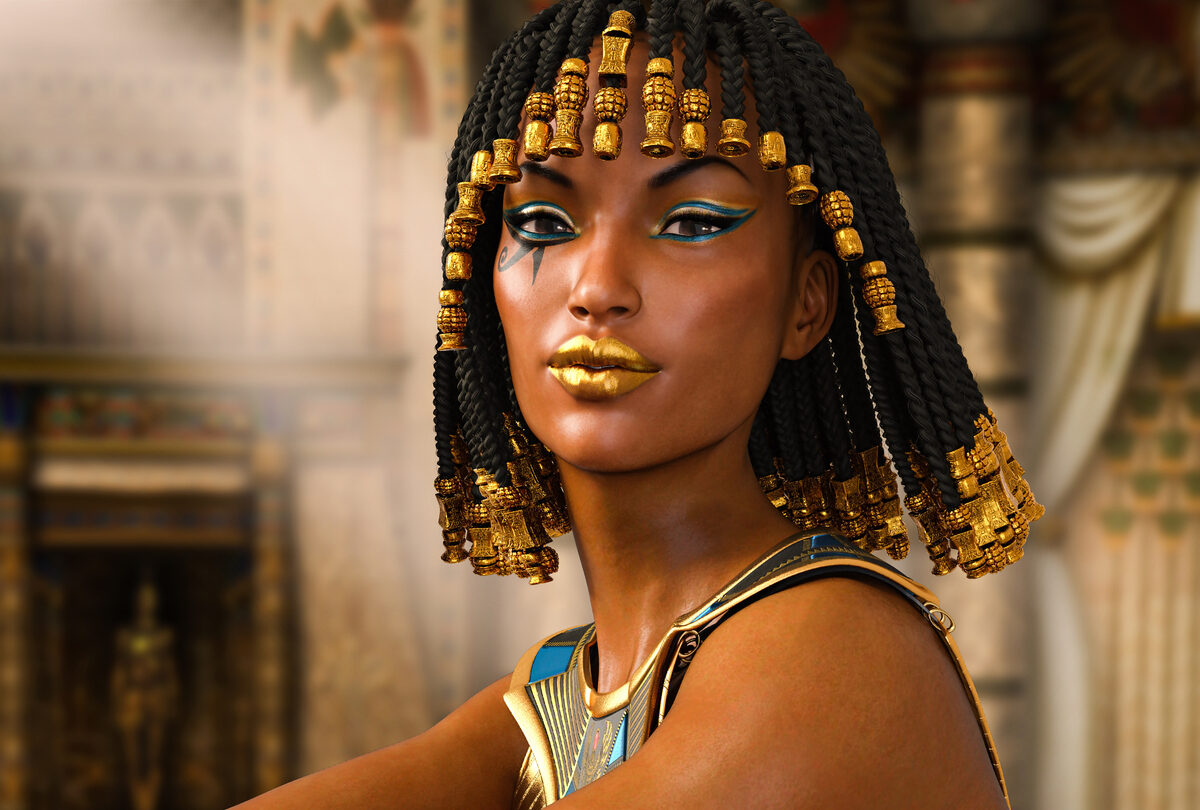
Cleopatra and other Egyptian elites were known for their elaborate beauty rituals. One of the lesser-known methods involved using pieces of fish skin laid across the face as a form of mask to tighten and rejuvenate the skin. Some sources even suggest fermented fish pastes were used to treat wrinkles.
While fish enzymes might offer some exfoliation, the process was unhygienic, foul-smelling, and potentially full of bacteria. Ancient Egyptians also used crushed beetles for lip stain and applied malachite (a copper-based mineral) near the eyes, risking heavy metal poisoning for a pop of colour.
Belladonna drops to dilate pupils
Used as a seductive enhancement in ancient Rome and Renaissance Italy, belladonna (also known as deadly nightshade) was dropped into the eyes to dilate the pupils and give a wide-eyed, luminous look. The word “belladonna” means “beautiful woman” in Italian, referring to its cosmetic use.
Belladonna is, of course, extremely toxic. Just a few drops absorbed through the eye could lead to blurred vision, sensitivity to light, rapid heartbeat, hallucinations, and even death. Long-term use caused vision problems and eventual blindness. Still, for centuries, women were willing to risk it to appear more alluring. It’s crazy to think how these toxic practices were once mainstream.
Tight-lacing and crushed ribs for the perfect silhouette
Corsetry began as early as the 16th century and evolved over time into a form of internalised torture. While early stays were designed to shape posture and silhouette, Victorian corsets became tighter, narrower, and more dangerous. Some women laced down to waists as small as 16 inches.
X-rays from the era show displaced organs, crushed ribcages, and spinal curvature caused by years of tight-lacing. The pressure affected breathing, digestion, and sometimes even fertility. And yet, women endured it for the sake of fashion, elegance, and social approval.
Eyebrow and eyelash dyes that caused blindness
In ancient Rome and 19th-century Britain, women dyed their eyebrows and lashes to achieve a darker, more striking look. The problem? Early dyes were made from coal tar, lead, or other hazardous chemicals. In the Victorian period, one popular lash dye caused several women to go blind after the chemicals burned their corneas.
Despite repeated warnings from doctors, many women continued to use these products because darker lashes were seen as more feminine and seductive. It wasn’t until the early 20th century that regulations began to clamp down on such products, after a number of publicised deaths and injuries.