 Unsplash/Laura Seaman
From mountaintop citadels to desert strongholds and floating villages, ancient civilisations often built in places that, at first glance, made little sense. Yet these seemingly impossible locations were chosen for strategic, spiritual, or survival reasons, and many of these cities not only thrived but left behind legacies that still baffle modern architects and engineers. Here are some of the most astonishing examples of ancient urban ingenuity.
Machu Picchu, Peru
Hidden high in the Andes mountains, Machu Picchu was built by the Inca in the 15th century at an altitude of over 2,400 metres. Its location on a narrow ridge between two peaks would have seemed implausible for city building, yet the Incas managed to create a self-sufficient settlement with sophisticated agricultural terraces, drainage systems, and stone structures that have withstood centuries of earthquakes and rain.
The site was also spiritually important, aligned with celestial events and sacred mountains. Despite the challenges of the terrain, the Incas developed advanced techniques for stone-cutting and slope management, allowing Machu Picchu to become one of the most iconic examples of mountain architecture in human history.
Petra, Jordan
Petra, the ancient Nabatean city carved directly into rose-coloured cliffs, is a marvel of adaptation to an arid, rocky environment. Founded in the 4th century BCE, it was situated in a remote desert valley, protected by towering gorges and accessible only through narrow passages like the Siq.
Despite its location, Petra thrived as a trade hub thanks to its clever water management system, including dams, cisterns, and hidden pipelines that captured scarce rainwater. The city’s monumental architecture and ability to flourish in such an inhospitable location make it one of the most awe-inspiring lost cities ever uncovered.
Mesa Verde, United States
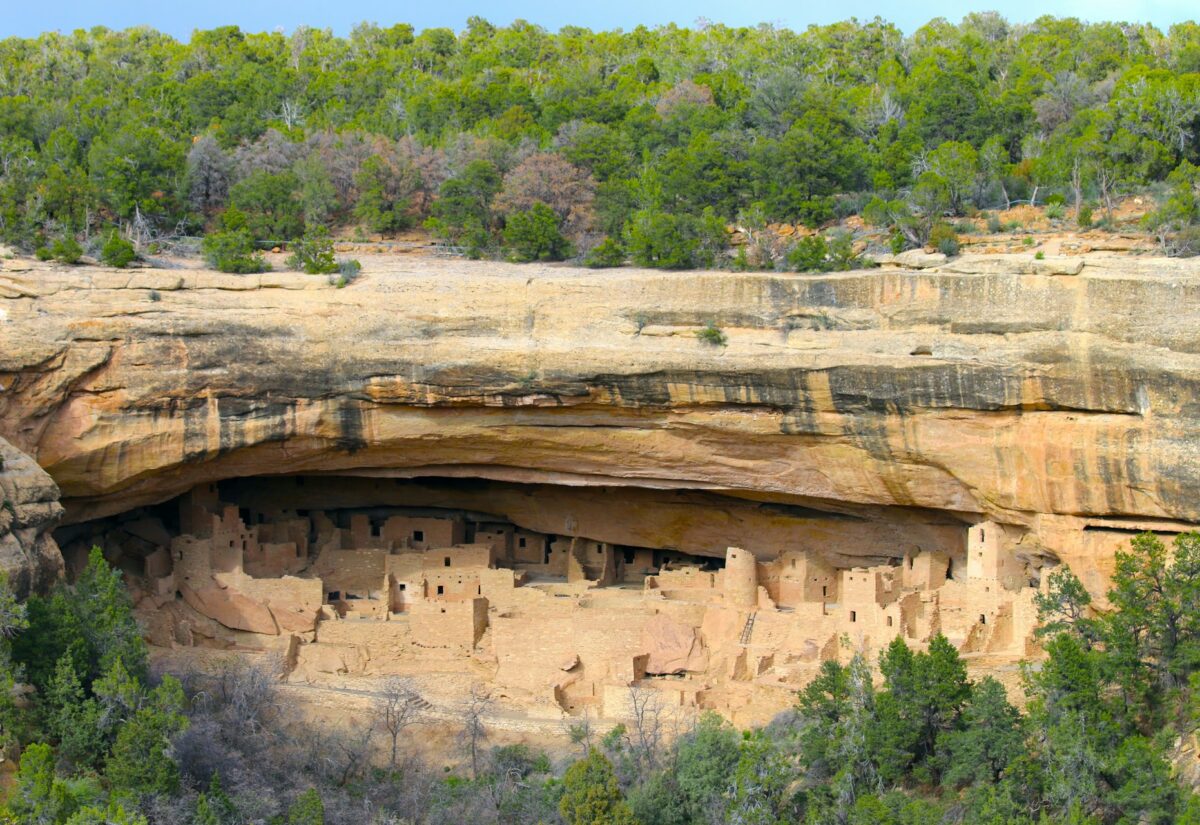
Built by the Ancestral Puebloans in what is now Colorado, Mesa Verde features entire villages tucked under massive cliff overhangs. These stone dwellings were constructed in the late 12th century in alcoves high above the canyon floor—extremely hard to reach, let alone build in.
The positioning offered protection from the elements and invaders, and the communities developed a complex society with roads, irrigation systems, and trade networks. The sheer determination to build in such precarious spots is a testament to their resilience and ingenuity.
Derinkuyu, Turkey
This underground city in central Turkey could once house up to 20,000 people. Derinkuyu was carved into soft volcanic rock and descends more than 60 metres below ground. It includes everything from homes and schools to wine cellars, wells, and churches—all hidden beneath the surface.
Its purpose was likely both defensive and practical, providing shelter during invasions or harsh winters. Air shafts and water supplies ensured survival underground, and the complexity of the tunnels suggests long-term planning and communal cooperation on a massive scale.
Çatalhöyük, Turkey
Dating back over 9,000 years, Çatalhöyük is one of the oldest known urban settlements in the world. What’s strange isn’t its location—it’s the layout. There are no streets. Instead, people entered their homes through openings in the roof, using ladders to climb in and out.
This design likely served multiple purposes: insulation, flood protection, and defence. The city was densely packed, with shared walls between houses, and it had extensive murals and shrines inside domestic spaces. Living atop one another might seem bizarre now, but for them, it worked remarkably well.
Ronda, Spain
Ronda is perched atop a dramatic gorge in southern Spain, split in two by a deep ravine. It’s been inhabited since prehistoric times, but it flourished under the Moors and later Christian rule. The El Tajo gorge not only provided natural defence but also divided and defined the town’s development.
Spanning the gorge is the Puente Nuevo (New Bridge), which was completed in the 18th century and remains one of Spain’s most striking engineering feats. Earlier communities built into the cliffs themselves, creating dwellings that appear to be hanging from the rock faces.
Shibam, Yemen
Nicknamed the “Manhattan of the Desert,” Shibam consists of mudbrick tower blocks that rise several storeys high, some reaching over 30 metres. Built in the 16th century, this walled city was constructed on a rocky outcrop surrounded by desert, and it remains one of the earliest examples of vertical urban planning.
Building upward in such a remote place made the most of limited space and helped protect against Bedouin raids. The structures were made of mudbrick but maintained through generations, offering a surprisingly effective way to deal with heat, isolation, and safety.
Aït Benhaddou, Morocco
This fortified city in the foothills of the High Atlas mountains is made entirely of earth and clay. It’s an excellent example of ksar architecture, where buildings are clustered within high defensive walls. Aït Benhaddou appears to grow straight out of the hillside, blending with the landscape.
Although now largely uninhabited, it was once a vital stop on caravan trade routes. Its construction from locally sourced materials helped it adapt to its environment, and it’s so visually striking that it’s been used as a backdrop for films including Gladiator and Game of Thrones. It’s also a UNESCO World Heritage site.
Thula, Yemen
Less known than Shibam but just as impressive, Thula is another ancient Yemeni city built into mountainous terrain. It’s home to multi-storey stone buildings dating back to pre-Islamic times, designed to blend with the rocky surroundings.
Narrow passageways wind through the town, and the buildings are topped with decorative windows and domed roofs. Despite being perched in a seemingly hostile environment, the city was self-sufficient, with terraced fields and rainwater capture systems that sustained life for centuries.
Many of these cities might seem impossibly located, but they were anything but accidental. Whether perched on cliffs, buried beneath the ground, or rising from the desert, these places were shaped by necessity, belief, and determination. And while their locations defy modern logic, they still stand as extraordinary examples of human adaptability and ambition.